Service
Real-time 3D and XR applications
I build real-time applications: interactive 3D, VR, augmented reality, configurators, simulations, immersive training and playable bases. The goal is a fluid, comfortable and reliable experience on the target hardware.
Based near Liège, I can help with analysis, first builds, optimization or technical recovery when the project or architecture needs to be reviewed.
Projects
3D / XR projects
A selection of public projects from my real-time, VR, WebGL, games and serious games work.
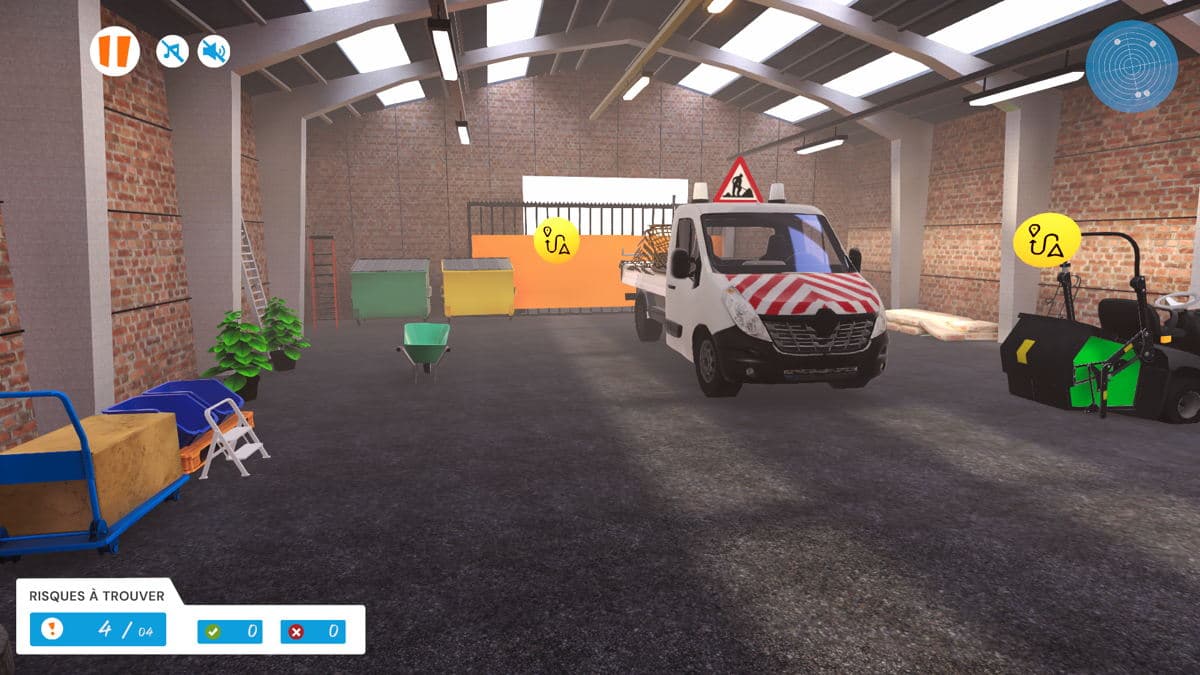
WebGL application for risk prevention in industrial contexts.

Relaxing puzzle game published on Steam.
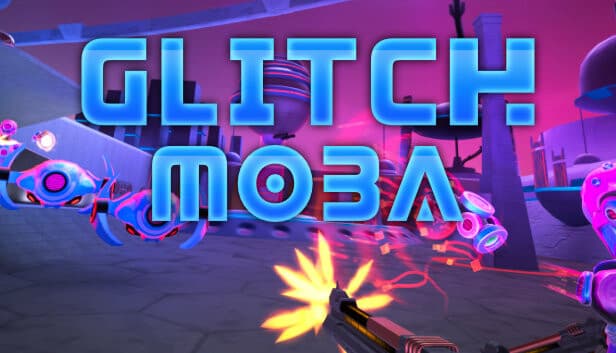
Multiplayer VR MOBA/shooter project for Meta Quest.
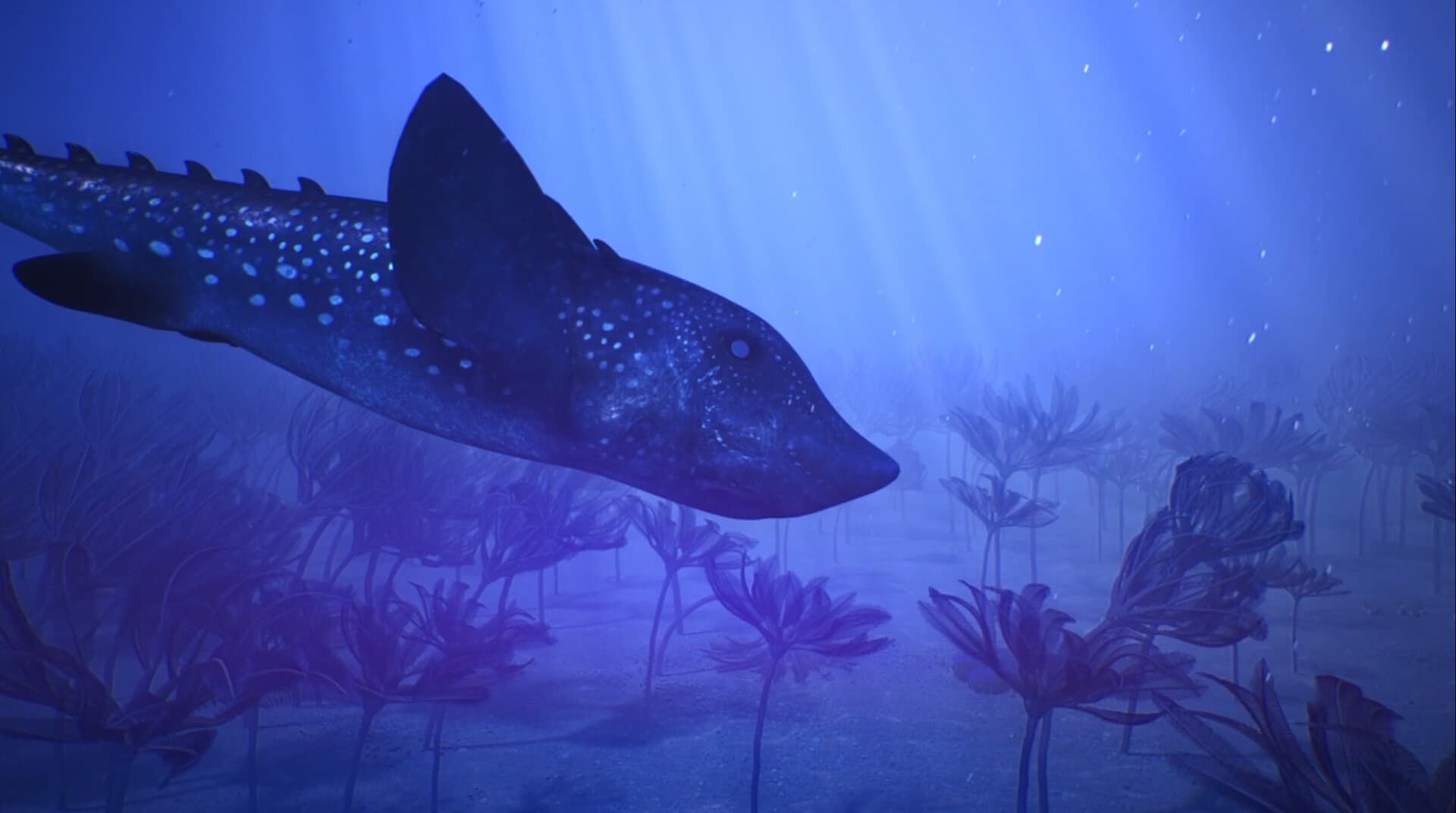
Technical rendering and animation around a 3D environment.
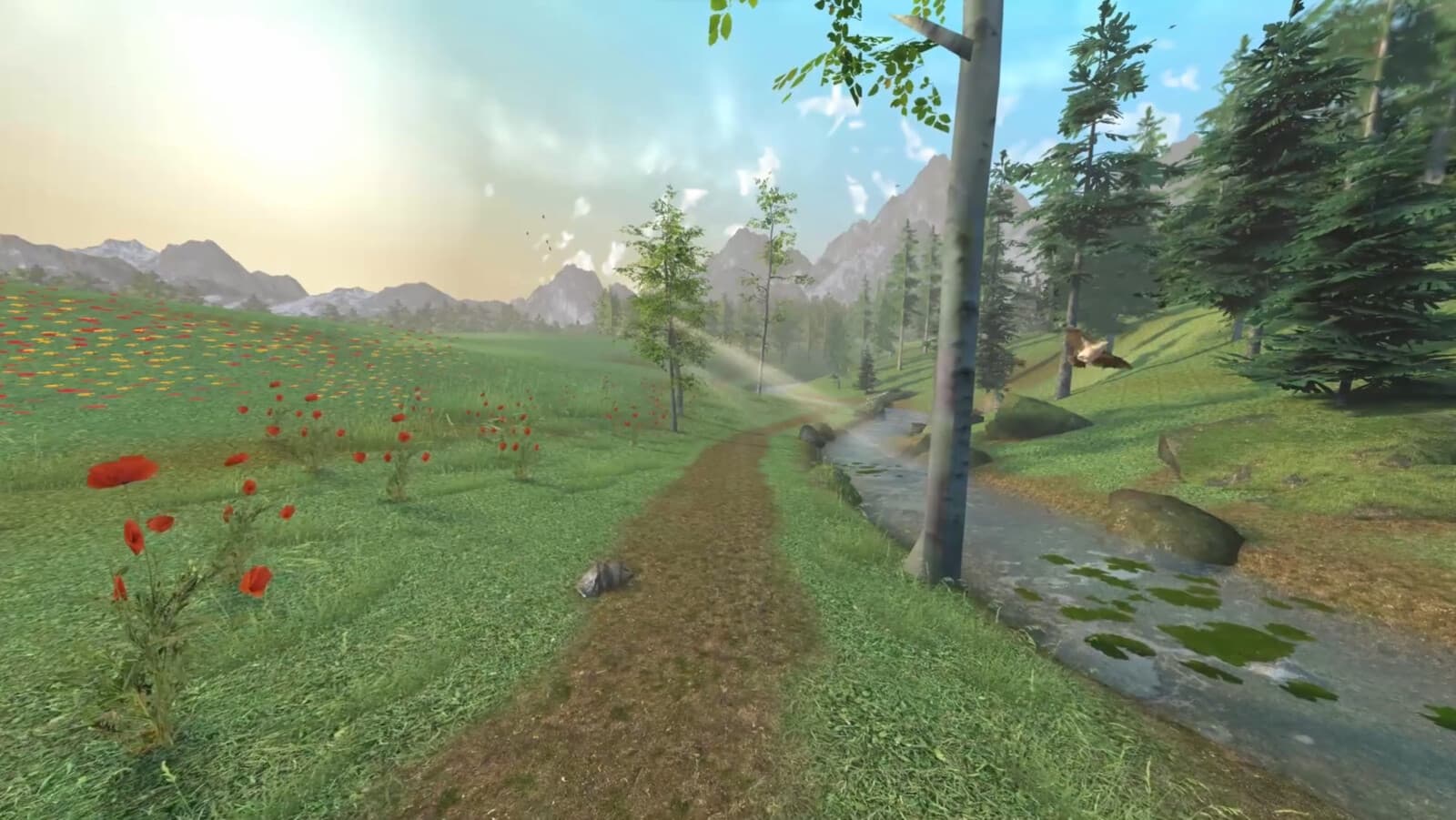
VR experience with animated environments, comfort and performance constraints.
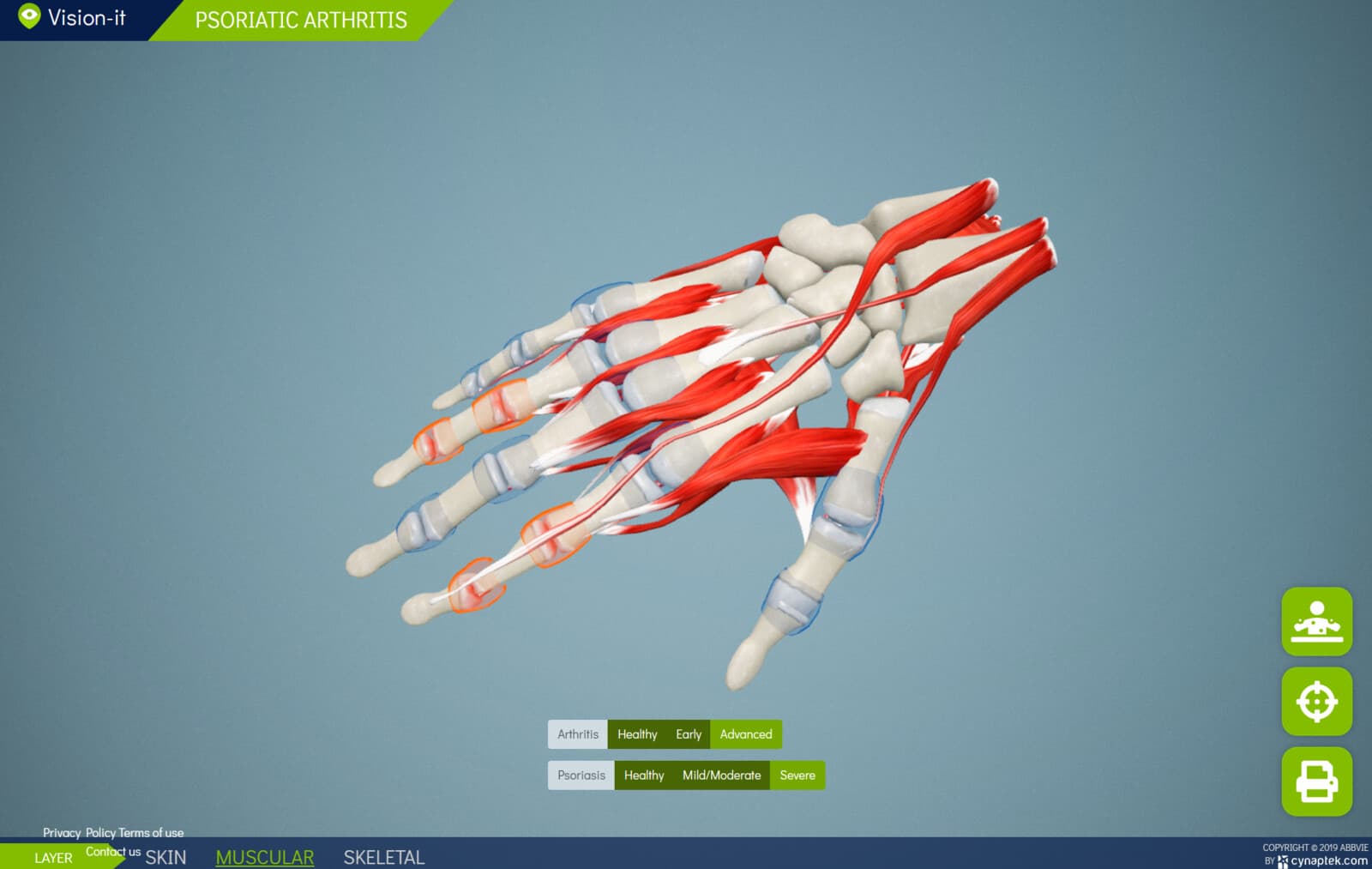
Interactive WebGL application with interface and 3D content.
Validation
What does a first testable version include?
The first version is mainly there to check that the experience truly helps its users. The technical side matters, but it supports that validation: the right device, the right performance level and the right constraints.
Use
Useful experience in the real context
Target
Testable build on the right device
Decision
Continue / simplify / stop
Phase 01
Use case
Understand who uses the application, in which context and for which decision or action.
Phase 02
Testable build
Test a short version with the right hardware, the right constraints and a representative scenario.
Phase 03
Decision
Decide what creates real value, what should be simplified and what stays out of scope.
Performance
How do you validate VR/XR performance and comfort?
Validation happens on the target hardware, with a realistic scenario and observable criteria. Rendering, comfort and stability should be tested before promising a larger version.
- Real hardware.
Tests happen on the target device, not only on a comfortable development machine.
- Clear budget.
We track useful limits: frame rate, load, assets, interactions and areas where the experience can become uncomfortable.
- Decision.
The test should show what can stay, what needs to be simplified and what needs more production work.
FAQ
Frequently asked
- Can you start from a fuzzy concept?. Yes. I can help clarify the need, the platform and the main risks so the approach stays realistic.
- Quest, PCVR, or both?. We choose based on the use case, visual ambition, budget and distribution constraints. The key is to avoid promises that the target hardware cannot support.
- What about performance?. It is built into the work from the start: budgets, profiling, optimization and validation on the real target device.
- How do you estimate budget and timing?. After a short framing step, I propose options, first build vs production, with clear milestones and identified risks.
Send the target platform, goal and timeline. I’ll reply with a pragmatic first approach.